
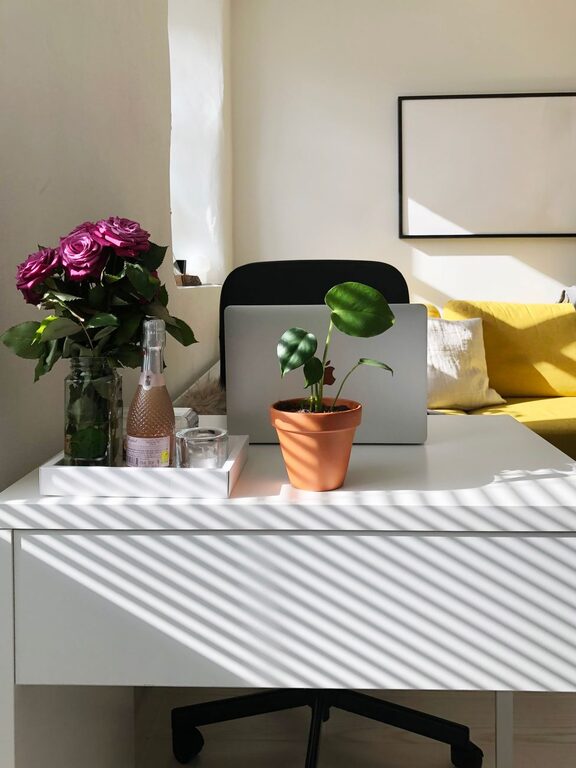
Creating a cozy and functional home office space is essential for anyone working remotely or managing tasks from home. A well-designed workspace can boost productivity, reduce stress, and make your workday more enjoyable. In this post, we’ll explore practical tips to help you create a home office that feels inviting yet supports your daily tasks efficiently.
Choose the Right Location
The first step in setting up a home office is selecting the right spot. Consider these factors when choosing your workspace:
– Natural Light: A spot near a window can provide ample natural light, which improves mood and reduces eye strain.
– Privacy: Opt for a quiet area with minimal distractions, especially if you participate in calls or need focused work periods.
– Space: Ensure there’s enough room for your desk, chair, and any other equipment you need.
If a dedicated room isn’t possible, try to carve out a nook or use room dividers to separate your work area.
Invest in Comfortable and Ergonomic Furniture
Comfort is key for long working hours. Here’s what to keep in mind:
– Ergonomic Chair: Choose a chair that supports your back and promotes good posture.
– Adjustable Desk: If possible, use a desk with adjustable height to switch between sitting and standing positions.
– Proper Desk Size: Your desk should fit your computer, monitor, and other necessary items without feeling cramped.
Adding a footrest or cushions can provide additional comfort.
Organize with Smart Storage Solutions
Clutter can distract and slow you down. Use these tips to stay organized:
– Shelving and Cabinets: Utilize vertical storage like shelves or cabinets to keep documents and supplies tidy.
– Drawer Organizers: Separate small items like pens and paper clips to avoid mess.
– Cable Management: Use clips or sleeves to keep cords neat and out of the way.
Label storage containers to quickly find what you need.
Personalize Your Workspace
Adding personal touches makes your office inviting and motivating. Consider:
– Plants: Indoor plants improve air quality and add a calming feel.
– Artwork and Photos: Display items that inspire or relax you.
– Color Scheme: Choose calming colors like soft blues or greens to create a soothing environment.
Avoid overdecorating to keep the space practical.
Optimize Lighting
Proper lighting reduces eye strain and enhances focus. Here’s how to get it right:
– Combine Natural and Artificial Light: Balance sunlight with task lighting like desk lamps.
– Use Soft, Warm Lights: Avoid harsh, bright lights that can be tiring.
– Position Lights Correctly: Place lamps so they don’t create glare on screens.
Consider smart lighting options to adjust brightness throughout the day.
Minimize Noise and Distractions
A peaceful environment helps maintain concentration. You can:
– Use Noise-Canceling Headphones: Block out background sounds during important tasks.
– Add Soft Textiles: Rugs and curtains absorb sound and reduce echo.
– Set Boundaries: Inform others in your home about your work hours to limit interruptions.
White noise machines or apps can also create a focused atmosphere.
Maintain Good Air Quality and Temperature
Comfort extends beyond furniture:
– Ventilation: Keep windows open when possible or use an air purifier to maintain fresh air.
– Temperature Control: A fan or heater can help maintain a comfortable temperature year-round.
– Humidity: A small humidifier can prevent dry air, especially in winter.
These adjustments contribute to overall well-being.
Keep Technology Efficient and Updated
Technology is the backbone of a home office. Ensure:
– Reliable Internet: A strong, stable connection reduces frustration.
– Ergonomic Accessories: Invest in an external keyboard, mouse, or monitor stand to improve comfort.
– Regular Updates: Keep software and devices updated for security and performance.
Consider cable organizers to keep tech clutter-free.
Establish a Routine and Break Space
Your office should support both work and rest:
– Designate Break Zones: If space allows, create a spot for stretching or relaxing briefly.
– Incorporate a Clock: Helps you manage time and take regular breaks.
– Use Calendars and Planners: Keep track of tasks to enhance focus.
Routine helps maintain balance and productivity.
—
By combining comfort, organization, and personalization, you can transform any space into a home office that supports both your work needs and well-being. Remember, the ideal workspace evolves with your habits and preferences, so don’t hesitate to adjust it over time. Happy working!