
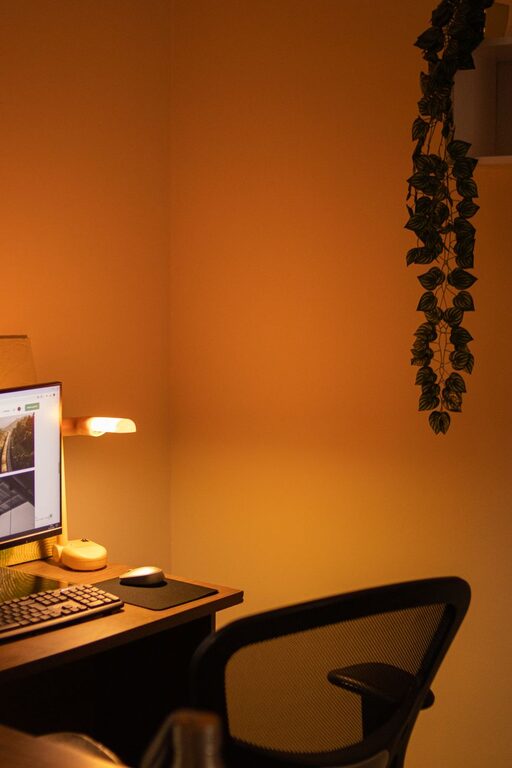
Creating a cozy and inviting home workspace is more than just setting up a desk and chair. Your environment plays a crucial role in how motivated and comfortable you feel throughout the workday. A well-designed workspace can improve focus, reduce stress, and make working from home a pleasure rather than a chore.
Whether you have a dedicated spare room or just a small corner in your living area, these tips will help you transform your space into a productive and welcoming spot.
1. Choose the Right Location
Selecting the best place for your workspace is the first step. Ideally, pick a quiet area with minimal distractions. Natural light is a big plus, so set up near a window if possible. Good lighting not only reduces eye strain but also elevates your mood.
If space is limited, consider areas like a nook, a section of your bedroom, or even a screen-separated corner of your living room.
2. Invest in Comfortable Furniture
Comfort is key for long hours of work. A supportive, adjustable chair helps maintain good posture and prevents back pain. Look for chairs with lumbar support and adjustable height.
Pair the chair with a desk at a comfortable height for your body. If a traditional desk isn’t an option, try a sturdy table or a well-set dining area. Standing desks or adjustable desks are excellent options to alternate between sitting and standing.
3. Personalize Your Space
Adding personal touches can make your workspace feel warm and inviting. Decorate with items that inspire you, such as framed photos, artwork, or a favorite quote. Choose colors that soothe or motivate you—soft blues and greens create a calming atmosphere, while brighter hues like yellow can boost energy.
Plants are a wonderful way to bring life into your workspace. Small potted plants or succulents are easy to maintain and help improve air quality.
4. Organize and Declutter
An organized space reduces distractions and helps you focus. Keep your desk tidy by using organizers like trays, file holders, and drawer dividers. Cable management tools can keep cords neat and out of sight.
Adopt a simple system for important documents, supplies, and gadgets. Regularly declutter to maintain a neat environment. Consider digital tools for managing files and notes to reduce paper clutter.
5. Optimize Lighting
Besides natural light, invest in good artificial lighting. A desk lamp with adjustable brightness lets you tailor the lighting to your tasks. Warm light tones are easy on the eyes and provide a cozy feel, while brighter light is better for detail-oriented work.
Avoid glare on your computer screen by positioning your light sources thoughtfully.
6. Control Noise Levels
Noise can be a major distraction. If your workspace isn’t already quiet, try using noise-cancelling headphones or white noise machines.
Soft background music or nature sounds can promote concentration without being intrusive. You might also consider adding thick curtains, rugs, or cushions to absorb excess noise.
7. Keep Essentials Within Reach
Make your workspace efficient by having the items you use most frequently close at hand. This could include your computer, notebooks, pens, charging cables, and planner.
Use shelves or drawers to store less frequently used items but remain accessible. This setup saves time and keeps you focused on work.
8. Create a Relaxation Zone
Sometimes, you need a short break to recharge. If space allows, include a cozy chair or a small cushion where you can step away from your desk.
Incorporate soothing elements like a soft blanket, a small diffuser with essential oils, or a stress-relief item like a stress ball. Brief breaks help maintain productivity throughout the day.
9. Maintain Good Air Quality
Fresh air supports mental clarity and comfort. Open windows regularly to ventilate your room. If possible, add an air purifier, especially in rooms that tend to be stuffy.
Plants can also contribute positively to air quality, making your space feel fresher.
10. Establish a Routine and Boundaries
Lastly, creating a cozy workspace goes hand in hand with setting boundaries. Define your working hours and stick to them to maintain work-life balance.
Inform family or housemates about your schedule to minimize interruptions. When your workday ends, physically clear your workspace if possible to signal the end of the workday.
—
Designing a cozy and inviting home workspace is a personal journey. Tailor these tips to fit your style and needs, and you’ll create a space that promotes comfort, productivity, and well-being. The right environment can transform how you approach your work, making each day more enjoyable and fulfilling.