
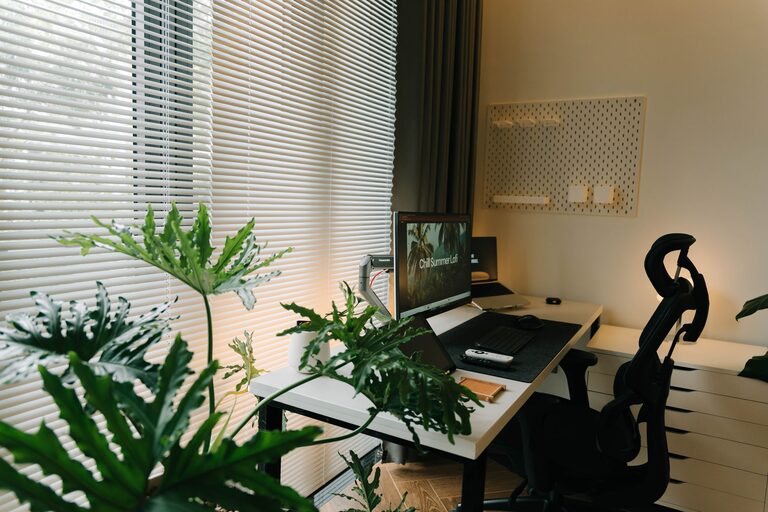
Working from home has become increasingly common, and setting up a productive home office environment is key to staying focused and efficient. Whether you’re new to remote work or looking to improve your current setup, these tips will help you create a workspace that enhances your productivity and well-being.
1. Choose the Right Location
Selecting the right spot for your home office is the first step toward a productive environment. Here are some considerations:
– Quiet and Private Area: Aim for a space away from household noise and distractions, such as a spare room or a quiet corner.
– Natural Light: Position your desk near a window if possible to take advantage of natural light, which can boost mood and energy levels.
– Space and Comfort: Make sure the area has enough room for your desk, chair, and necessary equipment without feeling cramped.
2. Invest in Ergonomic Furniture
Comfort is essential for long hours of work. Ergonomic furniture helps reduce strain and fatigue.
– Ergonomic Chair: Look for a chair with adjustable height, lumbar support, and comfortable padding.
– Proper Desk Height: Your desk should allow your elbows to be at a 90-degree angle while typing.
– Monitor Position: The top of your computer monitor should be at eye level to prevent neck strain.
3. Optimize Lighting
Good lighting can reduce eye strain and improve focus.
– Use Layered Lighting: Combine ambient lighting with task lighting, like a desk lamp, to create a well-lit workspace.
– Avoid Glare: Position screens and lights to reduce glare and reflections.
– Consider Light Temperature: Daylight bulbs that mimic natural light are ideal for maintaining alertness.
4. Keep Your Workspace Organized
Clutter can distract and reduce efficiency. Keeping your workspace tidy helps maintain focus.
– Declutter Regularly: Remove unnecessary items and paperwork from your desk.
– Use Storage Solutions: Shelves, drawers, and organizers keep supplies neat and easy to find.
– Cable Management: Use cable clips or sleeves to organize cords and avoid tangled messes.
5. Personalize Your Space
A workspace that feels pleasant and inspiring can boost motivation.
– Add Plants: Small indoor plants improve air quality and add a touch of nature.
– Incorporate Colors: Use colors that energize or calm you, depending on your preference.
– Display Inspiring Items: Photos, artwork, and motivational quotes can personalize your area and keep your spirits high.
6. Set Clear Boundaries
Establishing boundaries helps separate work from personal life.
– Designate Work Hours: Stick to consistent start and end times to maintain balance.
– Signal When Busy: Use a door sign or earbuds to indicate when you shouldn’t be disturbed.
– Create Transition Rituals: Start and end your workday with small routines like a brief walk or stretching.
7. Use Technology Wisely
The right technology supports productivity without becoming a distraction.
– Reliable Internet Connection: Ensure your internet is fast and stable.
– Ergonomic Accessories: Consider an external keyboard, mouse, or headset for comfort.
– Apps and Tools: Use apps for task management, focus timers, and communication but avoid overloading your setup.
8. Maintain Good Air Quality and Temperature
An uncomfortable environment can lower productivity.
– Ventilation: Open windows regularly or use an air purifier to keep air fresh.
– Comfortable Temperature: Maintain a temperature that isn’t too hot or cold, ideally between 68-72°F (20-22°C).
– Humidity: Using a humidifier can help if your home air is dry.
9. Take Regular Breaks
Resting your mind and body is vital for sustained productivity.
– Follow the 20-20-20 Rule: Every 20 minutes, look at something 20 feet away for 20 seconds to reduce eye strain.
– Move Around: Stand up, stretch, or take a short walk every hour.
– Stay Hydrated and Nourished: Keep a water bottle nearby and eat balanced snacks.
10. Review and Adjust Your Setup
Your needs may change over time, so it’s important to revisit your workspace periodically.
– Assess What Works: Note what helps your focus and comfort.
– Make Improvements: Don’t hesitate to rearrange furniture, try new tools, or adjust lighting as needed.
– Seek Feedback: If you share a home with others, discuss how your workspace affects them and vice versa.
—
Creating a productive home office environment involves thoughtful planning and ongoing adjustments. By prioritizing comfort, organization, and clear boundaries, you can build a workspace that supports your goals and well-being every day.